Most Heartbreaking Anime Deaths
Settle it: two at a time →Anime kills characters constantly, and most of those deaths evaporate by the next episode. This list is for the ones that do not. To make the cut, a death has to land with real weight: a character the story made you love, a scene the show earns rather than springs for shock, and grief the survivors visibly carry afterward. The argument here is over which loss stays with you longest, which is why a quiet hospital goodbye can outrank the flashiest battlefield sacrifice. Spoilers are the whole point, so proceed accordingly.
Ranked by 2 people · 15 items
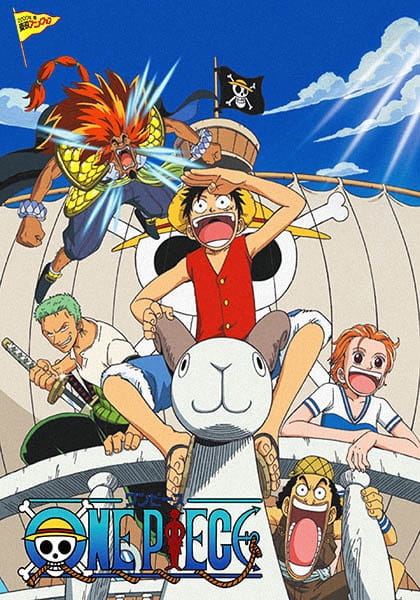
Ace's Death (One Piece) is first on the 2 ballots cast so far.
Global Ranking
Ace dies in his brother's arms after an entire war was fought to save him, which is what makes it unbearable: the rescue had already succeeded, and he threw it away stepping in front of one last attack. Fans who prefer a quieter exit like Jiraiya's dock it for how theatrically the moment is staged, and they are not wrong.
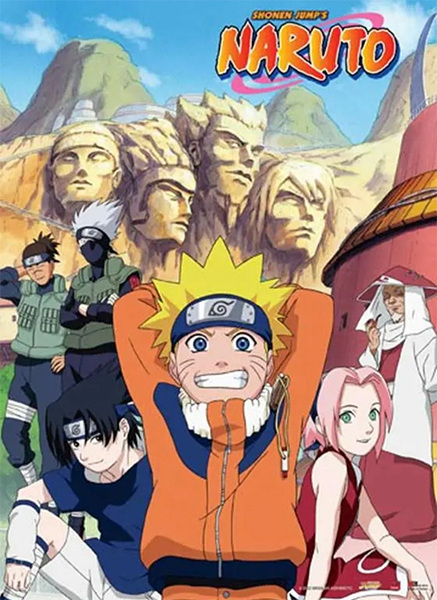
Jiraiya sinks away mid-mission with his student none the wiser, and Naruto's grief when the news arrives is some of the rawest the series ever allows itself. The only thing that dulls it is the franchise's later habit of resurrecting the dead, Itachi included, until death stops meaning much.
A little girl and her dog fused into one whimpering thing by her own father; less a death scene than a violation, and over so fast that some rank it below losses like Hughes that at least give you room to grieve.
The phone booth, the family photo, the funeral where his daughter asks why they are burying daddy. Hughes is the template every later mentor death copies, Rengoku included, though the show telegraphs his doom early enough that attentive viewers brace for it.
Rengoku spends one film becoming the mentor the series needed, then dies at dawn as a vision of his mother tells him he did well. The gut punch is real, but the attachment is barely a movie old, which is why he sits below losses like Maes Hughes that a story built for years.
Erwin leads a charge he knows is a distraction and dies just short of the basement answers he traded his humanity to reach. The wound is doubled by what follows, when the serum goes to someone else and the show dares you to call it wrong. It is a death argued about more than wept over, which keeps it below purely felt losses like Kamina's.
The forehead poke recasts an entire villain arc as a brother's lifelong sacrifice in one gesture. For many readers it cuts deeper than Jiraiya's death, though it needs a mountain of retroactive exposition to work, and exposition is a clumsy way to break a heart.
Kamina dies early, and the show spends the rest of its run proving the loss was structural rather than shock. Simon's collapse afterward is the real wound. If he lands below Hughes for some voters, it is because Kamina is more symbol than person by the time he goes.
The letter. A whole series about learning to play again turns out to have been her goodbye the entire time, and the title detonates on a delay. Like Menma, she says the truest thing in writing only after she is gone, and seeing the ending coming does not soften the landing.
A class of kids completes the assassination they were assigned, crying through a final roll call before one of them delivers the blow. It is the only death on this list carried out by the mourners themselves. The comedy tone wobbling right up to the end is what keeps it from climbing higher.
L dies watching Light drop the act at the last second, knowing he was right all along and lost anyway; it is heartbreak of a colder kind than even Lelouch's engineered exit, closer to a chess defeat than a funeral, and the series never gets its tension back afterward.
Lelouch scripts his own assassination so the world can pour its hatred into one man, and the smile he dies with makes it worse. Purists argue an engineered death should not outrank genuine gut punches like Kamina's, but the finale earns every tear it takes.
Menma is dead before the first scene, so what breaks you is the second goodbye: friends who grew apart sobbing through one last game of hide and seek as they read the notes she left each of them. Viewers who find the wailing overcooked next to a quiet ending like Setsuko's have a point, and it works anyway.
Nagisa dies giving birth on what should be the happiest night of the story, and the five numb years Tomoya spends apart from their daughter afterward hurt more than the death itself. The supernatural reset the show later reaches for undoes some of that sting, a mercy a loss like Setsuko's never gets.
A small girl starves while her brother fails her, and the film tells you at the start that both die, so you watch the candy tin knowing exactly what it will become. Nothing else on this list carries this much weight; the honest knock is that it hurts too much to ever rewatch.