Best FPS Games
Settle it: two at a time →First person shooters are the genre where feel is everything: how a gun snaps, how a strafe carries, how a headshot lands. This list mixes the games that invented that grammar with the ones setting today's standard, and asks one question of each: if you sat down tonight, would it still hold you? Nostalgia gets a vote but not a veto, which is why creaky pioneers sit alongside live shooters with active ladders, and single player campaigns argue with multiplayer for the same slots.
Ranked by 1 person · 15 items
Counter-Strike 2 is first on the one ballot cast so far.
Global Ranking
Still the purest test of aim, positioning, and nerve in the genre. One misstep and you spectate until the round ends, which is exactly why every kill matters and why newcomers bounce off it hard. Valorant borrowed its economy and round structure wholesale and still could not replace it.
Riot bolted hero abilities onto Counter-Strike's economy rounds and the mix works better than it should, with servers and anti-cheat that put bigger studios to shame. The ability spam can bury the clean gunplay underneath, and the cartoon look drains tension its inspiration keeps.
Combat as a resource puzzle: you chainsaw for ammo, glory kill for health, and flame for armor, so standing still is death. The platforming sections and Marauder fights split the fanbase, and its all-gas tempo makes the original Doom's slow dread feel like a different genre entirely.
The campaign that made blockbuster pacing the industry default, and a multiplayer suite whose killstreak rewards every rival copied. It also taught the series its worst habits. Anyone who lived through noob tubes and Commando lunges knows the balance was a mess and the chaos was half the appeal.
The finisher Bungie promised, with a campaign built for couch co-op and Forge and Theater tools that were years ahead of the industry. Its floaty, aim-assisted pacing feels stately next to Doom Eternal, and the story leans on you having played the first two.
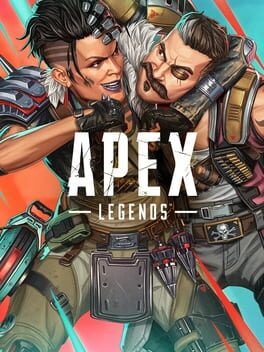
The best movement in battle royale, and a ping system so good competitors cloned it within months. Squad play is mandatory, though. Solo queue is misery, and the unlock grind sits somewhere between generous and predatory depending on the season.
The template. Fast, mean, and readable at a glance, with level design that still embarrasses modern shooters. There is no reloading, no story worth mentioning, and no aiming up or down, and it turns out none of that matters.
Proof a console shooter could work at all and the reason a generation of friendships ran on split-screen, even if playing it today means fighting the controls the whole way down.
Physics as a weapon, a city as a story, and never once does a cutscene take the camera away from you. The gravity gun alone reshaped how shooters think about touching the world. Its actual gunfights are the weakest part, which is a strange flaw in something this influential.
The rechargeable shield, the two-weapon limit, the Warthog: this is where console shooters learned patience and cover. The Library remains one of the worst levels ever shipped inside a great game, and the back half recycles its best spaces in reverse.
Hero shooters went mainstream here, carried by characters people cared about before they ever queued up. Then the sequel swap deleted the game people had actually bought, and its heavy team reliance means a bad tank pick can sink your whole evening in a way Team Fortress 2 never allowed.
True 3D arenas, a competitive scene that made the mouse the only serious way to aim, and a community that made rocket jumping a sport and built the modern mod scene. Its brown gothic murk was drab even at release, and the campaign is an afterthought next to everything its multiplayer started.
Its class lineup is a design school staple: you can read every threat by silhouette alone, and the writing is the funniest Valve ever shipped. Overwatch lifted the blueprint outright. Years of bot infestations and neglect are the tax for loving a game its maker forgot.
Wall-running infantry combat and titan brawls chained into the smartest campaign pacing of its decade, including a time-hopping level other shooters are still chasing. EA shipped it in the same window as two giants and it sold accordingly, which is why it sits below games it outplays.
Destruction is the whole strategy: floors, walls, and ceilings are all attack routes, so map knowledge beats raw aim. The onboarding is brutal. Operators cost real time or money to unlock, and leavers decide far too many rounds.